What the pilot light does and why it drops out
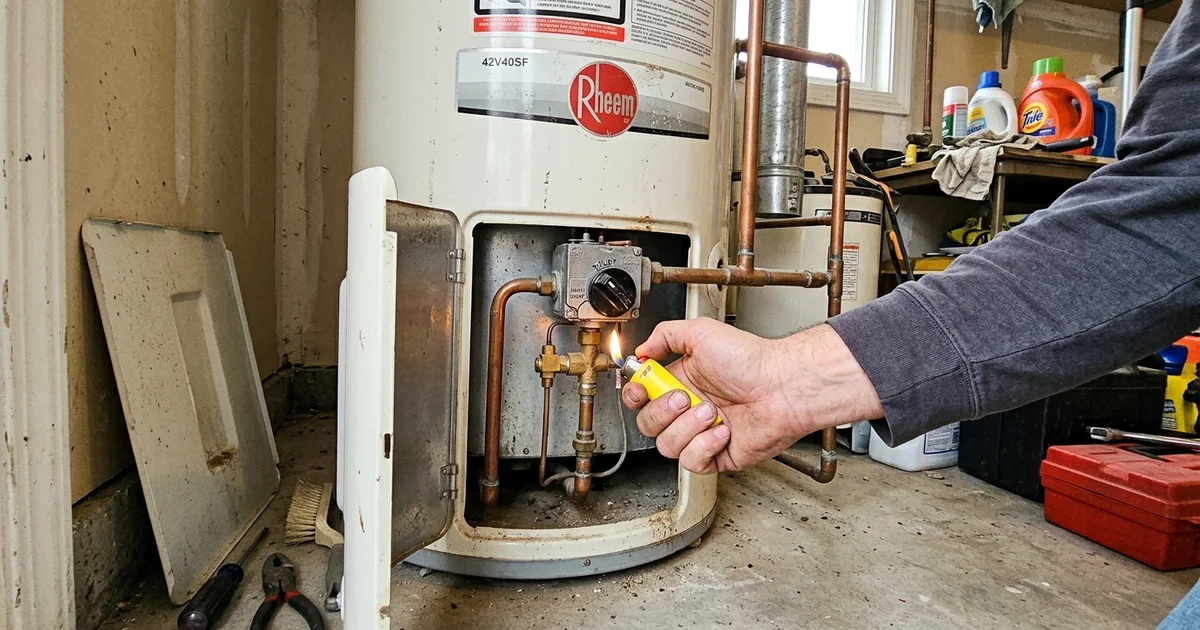
On older gas hot water systems, a small standing pilot flame burns continuously. When the thermostat calls for heat, that pilot ignites the main burner. It is a simple, reliable arrangement that has been in use for decades.
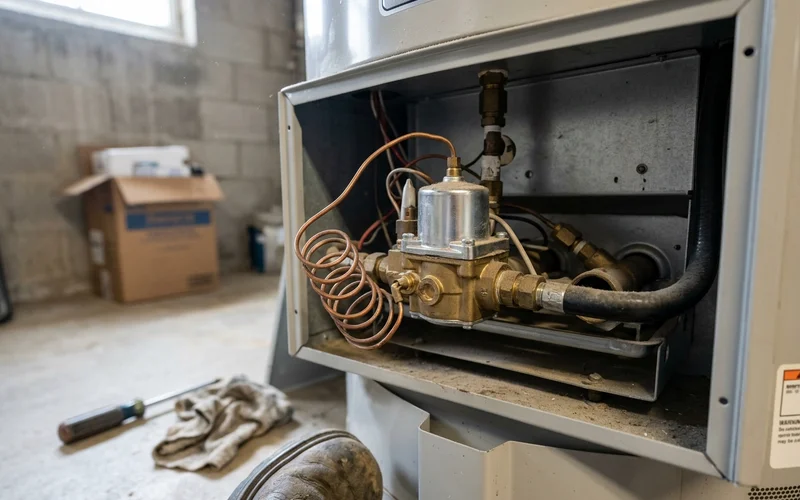
Sitting in that pilot flame is a thermocouple: a small metal probe that generates a tiny electrical current when heated. That current holds open a safety valve inside the gas control. The logic is deliberately fail-safe. If the pilot goes out, the thermocouple cools, the current stops, and the safety valve shuts the gas off. No pilot, no gas.
So a pilot that keeps going out is usually not a fault in the pilot. It is the safety system doing exactly what it should, in response to something else.
The likely causes, in order
1. A failing thermocouple. By a clear margin the most common. Thermocouples degrade with age and heat cycling. As the probe weakens, it generates less current, until eventually it cannot hold the safety valve open. Typical symptom: the pilot lights and burns while you hold the control button in, then dies within seconds or minutes of releasing it. It is an inexpensive part and a routine replacement.
2. A dirty or partially blocked pilot orifice. The pilot flame should be crisp and blue, wrapping around the tip of the thermocouple. If dust, lint or corrosion partially blocks the orifice, the flame becomes weak, yellow or lifted off the thermocouple, and it cannot heat the probe adequately. Cleaning resolves it.
3. A faulty gas control valve. Less common but it happens. The valve is the component the thermocouple holds open, and internal failure means it will not stay open regardless of thermocouple condition. This is a replacement part, not a repair.
4. Draught. A pilot in an exposed position, or an installation where the flue or burner compartment has been disturbed, can simply be blown out. Worth a look if the problem started after a storm or after other work was done nearby.
5. Insects or debris in the burner compartment. More common in Perth than people expect. Spiders in particular find the warm, sheltered burner compartment attractive, and webs across the pilot assembly disrupt the flame.
6. Low gas pressure or supply. On LPG, check whether a bottle has run empty or a changeover valve has not switched. On mains natural gas, see whether your cooktop still lights normally. The differences between the two fuels are covered in our guide to natural gas versus LPG hot water.
Safe relighting: once
Every gas hot water unit has relighting instructions printed on it or under the access panel. Follow those, not general instructions from the internet, because the sequence varies by model.
The general pattern is: turn the gas control to off, wait several minutes for any accumulated gas to disperse, turn to pilot, depress and hold the control button, ignite the pilot, keep holding for roughly 30 seconds so the thermocouple heats, then release and turn the control to on.
Two rules:
If you smell gas at any point, stop. Turn the gas off at the meter, do not touch light switches, ventilate, and call from outside the property.
Relight once. If it goes out again within minutes, or lights and drops out again later that day, there is a genuine fault. Repeated relighting does not fix a failing thermocouple, it just delays the repair.
When to call a gas fitter
Call if the pilot will not hold after one properly executed relight attempt. Call if the flame looks yellow, weak or lifted rather than crisp and blue. Call if you can see webs, insects or debris in the burner compartment. Call immediately, at any hour, if you can smell gas.
Gas work is licensed for good reason. Thermocouple replacement, gas control valve work and anything involving the burner assembly is for a licensed gas fitter, not a handy homeowner with a spanner.
We carry thermocouples on the truck, which is why this is very often a one-visit fix. Our gas hot water service covers repairs, servicing and installation across the Perth metro, and our emergency hot water repairs team is available 24/7 for anything urgent.
A note on newer units
Continuous flow gas systems and most modern gas storage units no longer use a standing pilot. They use electronic ignition, which sparks the burner on demand. That removes the standing pilot problem entirely and saves the small amount of gas a permanent pilot consumes.
If your unit has no pilot to relight and simply will not fire, the fault is elsewhere: ignition, gas supply, the flame sensor, or a blocked burner. Same advice applies, it needs a licensed gas fitter to diagnose properly.