The short answer, by system type
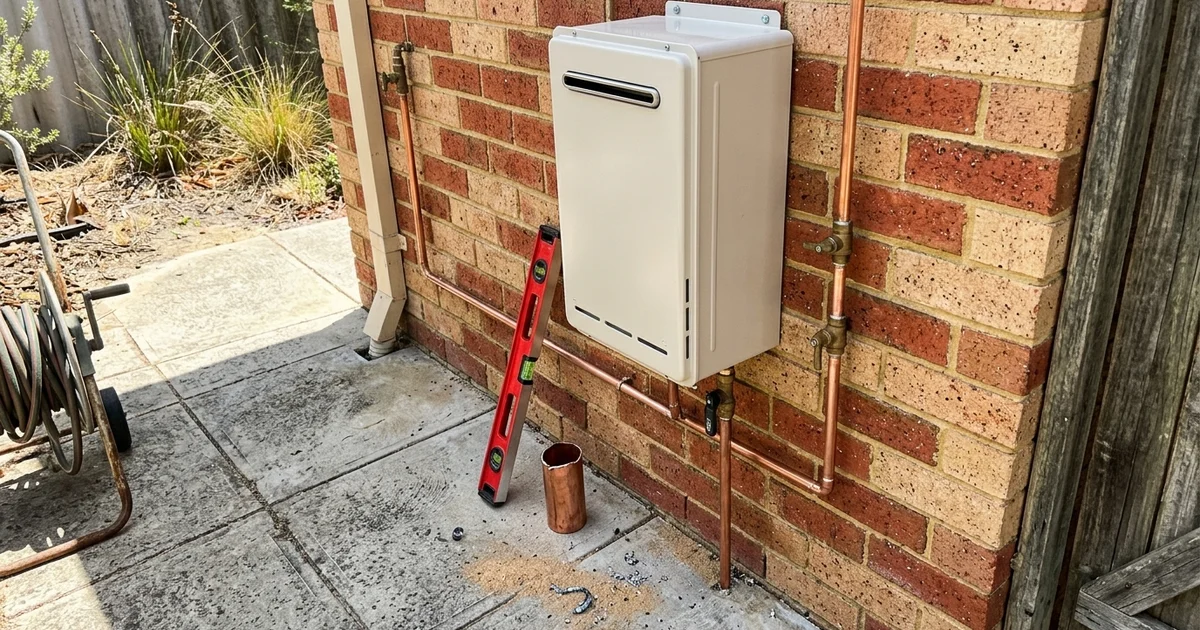
New hot water units in Perth generally cost between $500 and $7,000 depending on type, brand and capacity. Installation labour and materials sit on top of that and are quoted separately, because they genuinely vary from job to job.
Here is the realistic range for a supplied and installed system in the Perth metro, before any rebates.
| System type | Typical installed price | Best suited to |
|---|---|---|
| Electric storage | $500 - $2,500 | Lowest upfront cost, off-peak households |
| Gas storage | $900 - $2,200 | Mains gas homes with high simultaneous demand |
| Continuous flow gas | $1,400 - $3,200 | Mains gas homes wanting endless hot water |
| Solar with booster | $2,500 - $6,500 | Unshaded north-facing roof space |
| Heat pump | $2,500 - $5,500 | Lowest running cost, no roof work needed |
The pattern is consistent: the systems that cost least to buy cost most to run, and vice versa. Electric storage is the cheapest thing you can put in and the most expensive thing to operate for the next decade. Heat pump and solar are the reverse.
Unit price versus installation cost
It is worth separating the two, because quotes that blur them are hard to compare.
The unit price is what the system itself costs. It moves with capacity, brand and technology. A 125 litre electric tank and a 400 litre one are different money. A basic flat plate solar system and an evacuated tube one are different money again.
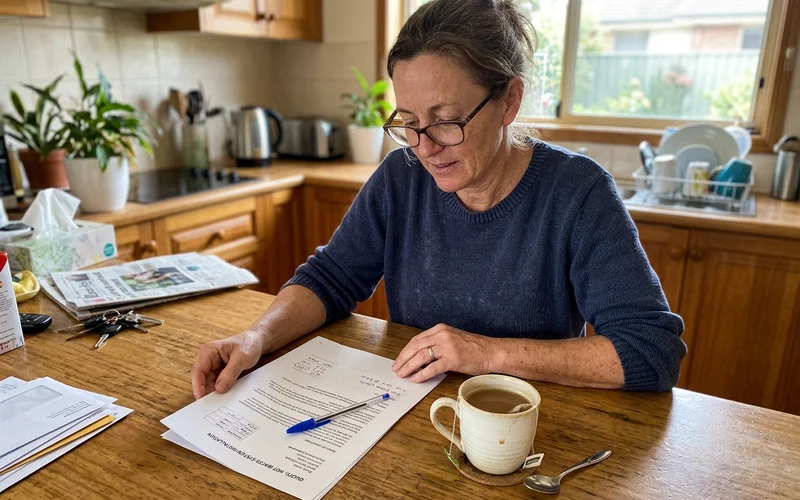
The installation cost covers the labour, materials and compliance work to get it running. This is where quotes diverge most, and where surprises come from if the quote was given over the phone.
The factors that move installation cost, roughly in order of impact:
- Changing system type. Going from electric to gas needs new gas pipework. Going from gas storage to continuous flow needs different mounting, flueing and often an upgraded gas line. Going to a heat pump may need a new pad and a condensate drain.
- Relocating the unit. Every metre of new water, gas or electrical run adds cost. Sometimes it is unavoidable, for instance when a heat pump cannot go where the old tank was because of noise.
- Access. Perth has a lot of homes with the tank wedged into a 600mm side setback or behind an air conditioner. Difficult access adds time.
- Existing pipework and valves. Thirteen-year-old isolation valves and flexible connections are false economy to reuse. A tempering valve that has drifted out of range needs replacing to meet the 50C delivery requirement.
- Electrical work. Some upgrades need a dedicated circuit or a switchboard change, which brings an electrician into the job.
What the rebate actually does
Western Australia has no state hot water rebate. What does apply is the federal Small-scale Technology Certificate scheme, which covers eligible heat pump and solar hot water systems listed on the Clean Energy Regulator’s register.
In practice it works as a point-of-sale discount. The certificates are created against the installation, and their value comes off the price. For hot water that is typically $800 to $1,500 or more depending on the model’s deemed savings and the certificate market price at the time.
We create and claim the certificates as part of the job, so the reduction appears in the quoted number rather than as paperwork you chase afterwards. It is worth checking that any quote you compare has done the same, because a quote showing the pre-rebate figure looks very different to one showing the post-rebate figure for the same system.
Running cost is the other half of the price
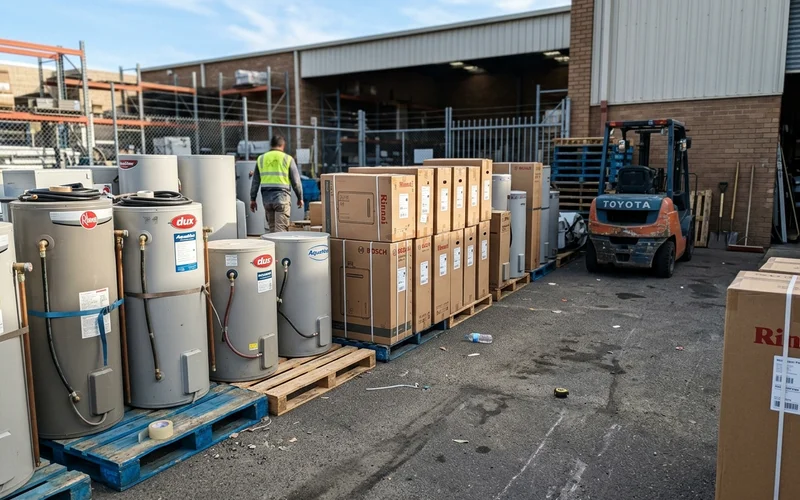
A hot water system is a ten-year purchase, so the sticker price is only part of the decision. Water heating accounts for roughly 25% of a typical Australian household’s energy bill.
Take a household currently on old electric storage. Moving to a heat pump costs more upfront, even after the STC rebate. But the heat pump does the same job on roughly a third of the electricity, every day, for a decade. On most family-sized usage patterns, the payback lands within a few years and everything after that is straight saving.
That does not mean electric storage is always wrong. For a small household on a genuine off-peak tariff, with a correctly sized tank, it can be perfectly reasonable. It does mean the cheapest quote is not automatically the cheapest system.
What we include in a quote
To make comparison easier, here is what our written quotes cover:
- The supplied unit, named by brand and model
- All installation labour and materials
- Removal and recycling of the old cylinder, at no extra charge
- New isolation valves, flexible connections and tempering valve where required
- Compliance certification to WA requirements including AS/NZS 3500.4
- The STC rebate already deducted on eligible systems
- Financing options laid out if you want them
Quotes are free and given after someone has actually looked at your site, not estimated over the phone. For the full picture on what the install involves, see our hot water system installation page, or get a free quote and we will price your specific situation. If you are still deciding between system types, our guide on running costs compared sets out the ten-year view.