How our dispatch actually works
Our workshop sits at 78 Fitzroy Rd in Rivervale, a few minutes from the Perth CBD and with quick access to the Graham Farmer Freeway, Great Eastern Highway and Leach Highway. That central position is deliberate, because it is what makes metro-wide same-day response realistic rather than aspirational.
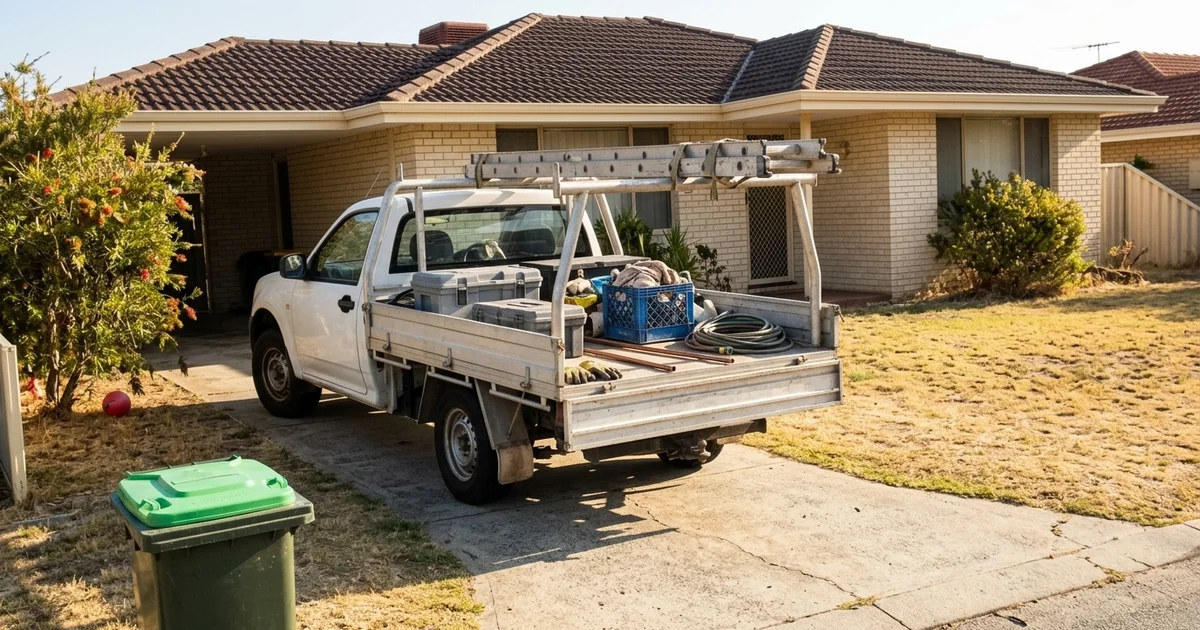
From there we run a network of localised contractors, which means the plumber who reaches you in Joondalup is not driving from Rivervale, and the one who reaches you in Thornlie is not either. The Rivervale base handles dispatch, parts and coordination.
When you call, we ask three things: what is happening, where are you, and is water still escaping. Those answers determine priority. An active leak or a burst tank goes to the front of the queue. A system that has simply stopped heating is important but not dangerous, and we will be honest about where that sits in the day.
Realistic response windows
We will not promise a fixed number of minutes to every address in the metro, because that is not how traffic, job queues and geography work. What we will do is give you an honest window when you call.
| Area | Typical emergency response |
|---|---|
| Inner suburbs (Victoria Park, Belmont, South Perth, East Perth) | Often within a couple of hours |
| Northern corridor (Stirling, Osborne Park, Morley, Balcatta) | Same day |
| Southern corridor (Cannington, Canning Vale, Willetton, Thornlie) | Same day |
| Eastern corridor (Midland, Guildford, Ballajura, Ellenbrook) | Same day |
| Outer metro fringe | Same day in most cases, confirmed on the call |
Overnight and public holiday calls follow the same pattern with fewer vehicles running, so the window widens slightly but the service does not stop.
What counts as a genuine emergency
Worth knowing, because it determines both priority and whether an after-hours call is the right move.
Call immediately, any hour:
- Water actively escaping from the unit or pooling around it
- A burst tank
- Any smell of gas, which is an immediate safety issue
- No water at all in the property
- Water that has become dangerously hot at outlets
- A circuit breaker that trips repeatedly when reset
Can usually wait until morning:
- No hot water, with nothing leaking and no gas smell
- Lukewarm water
- A pilot light that has gone out and will not relight, on a system that is otherwise dry and safe
- Hot water running out faster than usual
The distinction is whether property damage or personal safety is in play. Cold showers are miserable, not dangerous.
What to have ready
A few things genuinely shorten the job, and they cost you nothing to prepare while you wait.
Clear access to the unit. Bikes, bins, garden waste and pot plants in a narrow side passage all come out of the working window.
The brand and model. It is on the compliance plate, usually a sticker or metal plate on the side of the unit. Reading it out on the call means we can load the right parts before leaving.
Rough age. The compliance plate often carries an install or manufacture date. This matters enormously for the repair-versus-replace conversation.
Isolation points. Know where your cold water isolation valve, main stop valve and hot water circuit breaker or gas isolation valve are. Ideally find them now rather than during the emergency.
Somewhere to park. Sounds trivial, less trivial in tight inner-suburb streets at 11pm.
What happens on arrival
Diagnosis before parts, always. We test rather than guess, because replacing components on a hunch is how people end up paying twice.
Our trucks carry the common failure parts: heating elements, thermostats, thermocouples, pressure temperature relief valves, tempering valves and gas control components. That is why most emergency calls are resolved in a single visit rather than becoming a return trip.
Where the cylinder itself has failed, we say so, quote the replacement in writing, and where stock allows can often complete a same-day changeover.
For the full service, see our emergency hot water repairs page, or contact us for a non-urgent booking or quote.